 Skip to content





December 2025 just witnessed something extraordinary in the copper markets. The red metal crossed $12,000 per ton on the London Metal Exchange for the first time ever, capping off a remarkable year with gains approaching 50%.
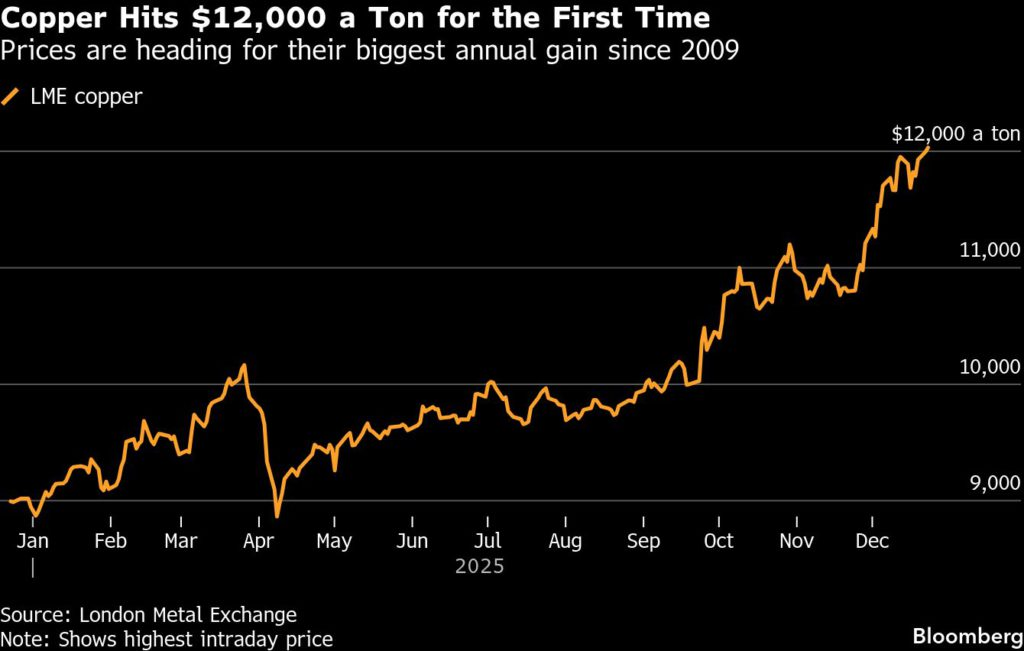
But here’s what makes this rally different from previous commodity booms: it does not appear to be driven by speculation or a short-term supply glitch. Instead, deadly accidents at major mines in Indonesia, Chile, and the Democratic Republic of Congo have combined to crimp global production, while demand for electrification and AI infrastructure keeps climbing.
Your first thought? “Interesting timing.”
Your second thought? “Can I actually invest in this?”
Good question. And before you start planning to stockpile copper pipes in your garage (please don’t), let’s talk about a far more practical way for Indians to tap into what analysts are calling a structural copper shortage.
The Copper Conundrum
Here’s the thing about copper, it’s everywhere, yet most people never think about it. It’s in your phone, your AC, your car’s wiring, the power grid that keeps your lights on, and even in those fancy electric vehicles everyone’s talking about.
And here’s the kicker: the world needs a lot more of it. Like, 70% more by 2050.
Why? Three massive trends are converging:
- Electrification — Electric vehicles use three times more copper than traditional cars. Your regular petrol car has about 23 kg of copper. An EV? Nearly 83 kg.
- Digitalization — Those AI data centers that power ChatGPT and every other AI tool? They’re electricity guzzlers. And copper is the backbone of that power infrastructure.
- Emerging markets — China and India alone consume 74% of global copper, fueling infrastructure and renewable energy projects.
The result? Supply is getting tighter while demand keeps climbing. Copper prices have surged over 15% in December alone, with year-to-date gains approaching 50%. Morgan Stanley is forecasting the global copper market will face its most severe deficit in more than 20 years, with demand exceeding supply by about 600,000 tons next year.
The Indian Investor’s Dilemma
Now, if you’re an Indian investor, your first instinct might be to look for copper mining companies listed on Indian exchanges. But here’s the reality check, India doesn’t have many pure-play copper stocks. Most of our exposure to copper comes through diversified mining companies like Vedanta or Hindustan Copper, where copper is just one part of a much larger story.
The real action? It’s happening in the US markets.
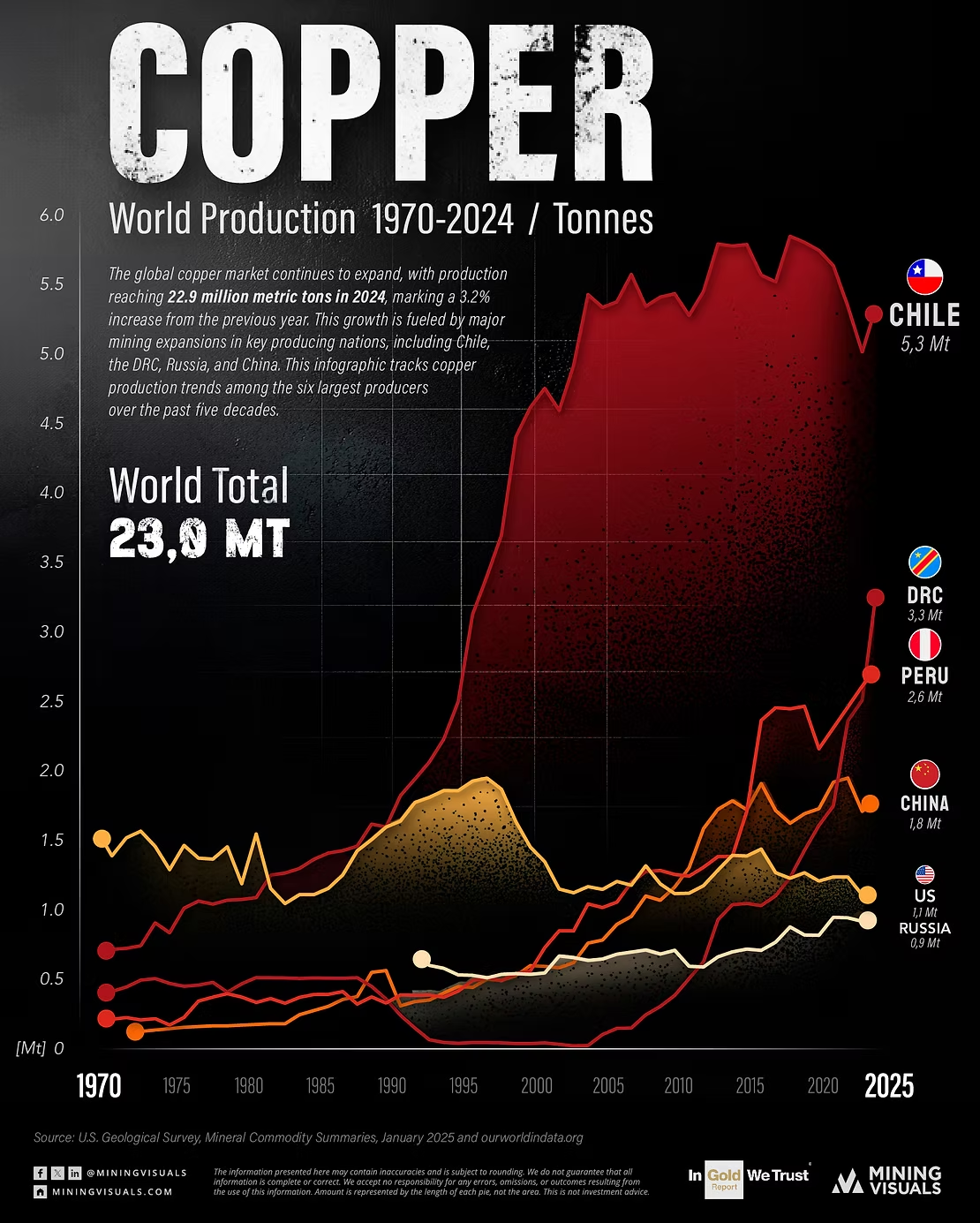
The largest copper mining companies, Freeport-McMoRan, BHP Group, Southern Copper — are all listed in the US. The most liquid copper ETFs? US-listed. The futures market where copper prices are actually determined? That’s the COMEX in New York.
So if you want serious exposure to copper, you need access to US markets. And that’s where platforms like Vested come in.
Enter Vested: Your Gateway to Global Copper
Vested is a US-registered investment platform (with SEC and FINRA licenses, that lets Indian investors buy US stocks and ETFs. Think of it as your bridge to Wall Street, without needing to physically move to Manhattan.
Here’s how it works:
- Open an account — The KYC process takes about 5-10 minutes. You’ll need your PAN card, passport/Aadhaar, and bank details.
- Transfer funds — Under RBI’s Liberalized Remittance Scheme (LRS), you can transfer up to $250,000 per year. Vested partners with major Indian banks like HDFC, ICICI, Axis, and SBI to make this seamless.
- Start investing — Here’s the cool part: you can invest with as little as $1 thanks to fractional shares. Want to buy 0.05 shares of a copper ETF? Go for it.
The entire process, from account opening to making your first investment, typically takes 3-5 business days for account approval, plus the time for fund transfer.
Your Copper Investment Options
Now, let’s get to the meat of it — how exactly do you invest in copper through Vested?
We’ve curated a collection of copper ETFs that provide exposure to this commodity through various strategies. These ETFs fall into two main categories:
Copper Mining ETFs — These funds invest in companies that mine copper. When copper prices rise, these companies make more money, and their stock prices (usually) follow. Mining ETFs give you indirect exposure to copper prices while also capturing the operational leverage of mining companies.
Copper Futures ETFs — These track copper futures prices directly rather than mining stocks, giving you pure copper price exposure without company-specific risks like labor strikes, operational failures, or management blunders.
Think of it this way: mining ETFs are like investing in gold mining companies, while futures ETFs are like investing in gold itself (except it’s copper, obviously).
You can explore our curated collection of copper ETFs to find options that match your investment strategy and risk tolerance.
The Vested Advantage
Why go through Vested instead of other platforms? A few reasons:
Low barriers — Start with just $1. No minimums.
Bank integrations — Direct partnerships with major Indian banks make fund transfers smooth.
Regulatory compliance — Vested is registered with the SEC and works with DriveWealth, a US clearing firm. Your investments have SIPC protection up to $500,000.
Tax reporting — They provide ready-made reports that make filing your Indian taxes easier (yes, you need to report foreign investments in your ITR).
User experience — The app is fairly straightforward. You can track your portfolio in both USD and INR.
The Risks You Should Know
Before you get too excited and dump your savings into copper ETFs, let’s talk risks:
- Volatility — Copper prices swing wildly. We’ve seen gains of over 15% in December alone, but the metal can drop just as fast. In 2024, copper hit a record high of $5.11 per pound in May, then slipped below $4 by August. This isn’t a fixed deposit.
- Currency risk — You’re investing in USD. If the rupee strengthens against the dollar, your returns in INR terms could take a hit (though in the last 10 years, the rupee has depreciated, working in your favor).
- Company-specific risks (for mining ETFs) — Mines can face strikes, accidents, environmental disasters, or simply run out of copper. In 2025 alone, we’ve seen a deadly mudslide at Indonesia’s Grasberg mine (the world’s second-largest copper mine), floods at the Kamoa-Kakula mine in the DRC, and fatal rock blasts in Chile. Even though ETFs diversify this risk, it’s still there.
- China sensitivity — China is the world’s largest copper consumer. If China’s economy slows down, copper demand drops, and prices follow. Your ETF takes a beating.
- Geopolitical chaos — Major copper producers are in places like Chile and Peru. Political instability there can disrupt supply chains overnight.
- Futures complexities — Futures-based ETFs can suffer from contango (when future prices are higher than spot prices), eating into returns over time.
Final Thoughts
Investing in copper through Vested isn’t about chasing the latest hot tip. It’s about positioning yourself for long-term trends — electrification, digitalization, infrastructure growth — that are reshaping the global economy.
Is it a sure thing? No. Nothing in investing is. But if you believe that the world is going electric, that AI is here to stay, and that emerging markets will keep building, then copper deserves a spot in your portfolio.
The beauty of using platforms like Vested is that you don’t need lakhs of rupees to get started. You can dip your toes in with a small amount, see how it feels, and scale up as you get comfortable.
Just remember: diversification is your friend. Don’t go all-in on copper (or any single commodity). Think of it as one ingredient in a well-balanced portfolio — a bit of spice that could enhance your overall returns.
And definitely don’t stockpile copper pipes in your garage. Your family will not thank you.
Disclaimer: This article is for educational purposes only and should not be considered investment advice. Investments in stocks and ETFs carry risks, including loss of principal. ETF shares trade on an exchange and may trade at prices above or below NAV. Brokerage commissions and other fees may apply. The information and opinions contained in the report were considered by VF Securities, Inc. to be valid when published. Any person placing reliance on the blog does so entirely at his or her own risk, and does not accept any liability as a result. Securities markets may be subject to rapid and unexpected price movements, and past performance is not necessarily an indication of future performance. Investors must undertake independent analysis with their own legal, tax, and financial advisors and reach their own conclusions regarding investment in securities markets. Past performance is not a guarantee of future results. Securities offered through VF Securities, Inc. (member FINRA/SIPC). Please do your own research or consult a financial advisor before making investment decisions. Past performance doesn’t guarantee future results. Investors should review the prospectus carefully before investing.
