










If we think back about ten or twelve years, global investing was not a regular conversation in India. Even most mutual funds were fully invested in the domestic markets. If you wanted exposure to US companies, you had to open an international account, and it wasn’t that simple.
Then came funds like Parag Parikh’s.
At that time, it felt really unusual that an Indian mutual fund was buying companies like Google. Some investors questioned it. Why invest abroad when India itself has so much potential?
But then something happened.
Between roughly 2014 and 2018, US markets performed strongly. Large technology companies grew steadily. If you were invested in a fund that had exposure to those businesses, you could see the difference in returns.
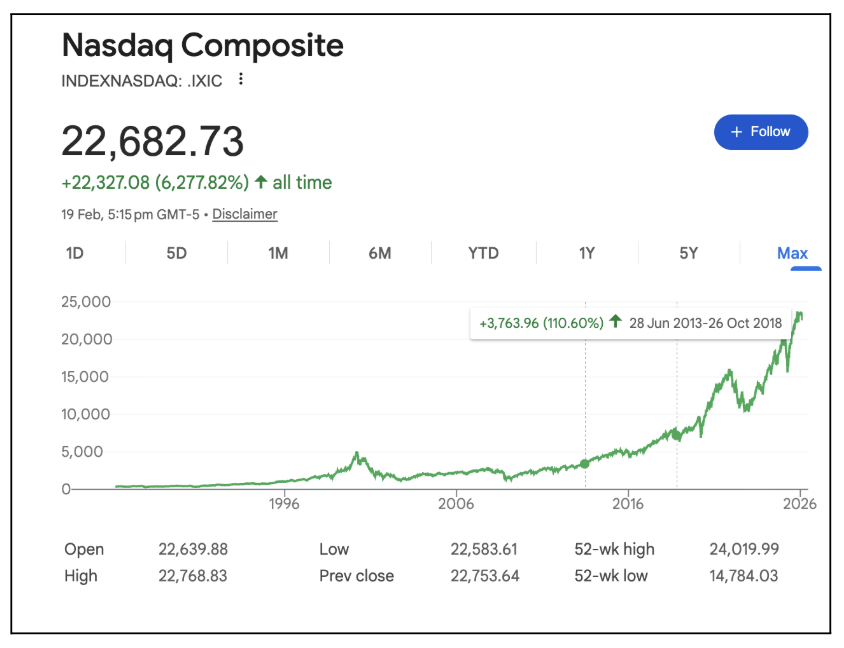
That was the point when many people understood geographical diversification in practice.
It was just not about the US being better than India. It was rather about the fact that returns were coming from a different place, driven by a different set of factors.
When Indian markets were slower, global exposure helped. When India had strong years, domestic holdings led.

Comments
Login or register to join the conversation.