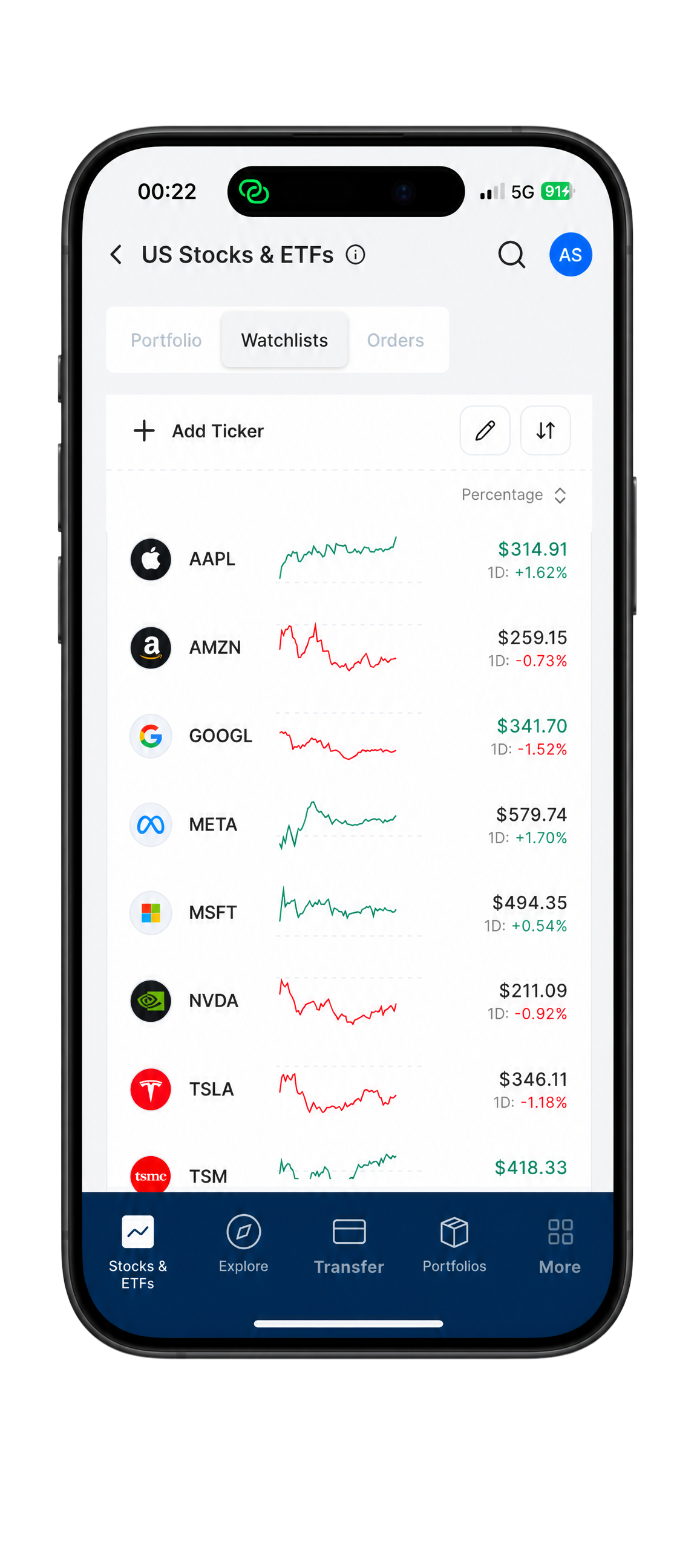
Invest in 10,000+ US Stocks and ETFs
* Offering through VF Securities, Inc. (member FINRA/SIPC)
Assets under
administration
Trading
volume
Indian
investors
Average
portfolio value
Build a diversified global portfolio with a wide range of asset classes, whether you are starting small or aiming big

Own Apple, Nvidia and 10,000+ US Stocks and ETFs, whole or fractional
Learn more
Invest in companies like Open AI, SpaceX and Stripe before they list
Learn more
One-click exposure to AI, Defense, Clean Energy and 20+ curated portfolios
Learn moreBuilt on regulatory safeguards for investor protection
Diversify beyond FDs, Gold & Indian equity markets
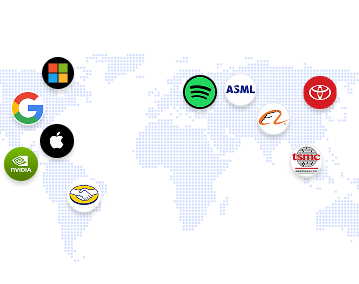
From Apple to Amazon, many of the world’s most innovative and profitable companies are based outside India. Get exposure to these companies and others by diversifying globally.
The Indian Rupee has historically depreciated against the US Dollar. By investing in USD-denominated assets, you preserve and grow your wealth in a historically stronger global currency over time.

US markets have historically delivered higher INR-adjusted returns compared to Indian markets, helping Indian investors build long-term wealth faster.
Why US Markets deliver higher returns?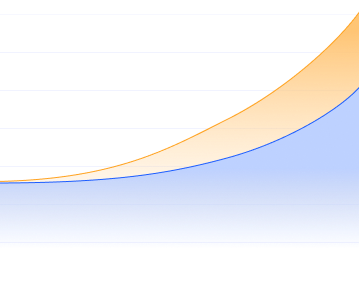
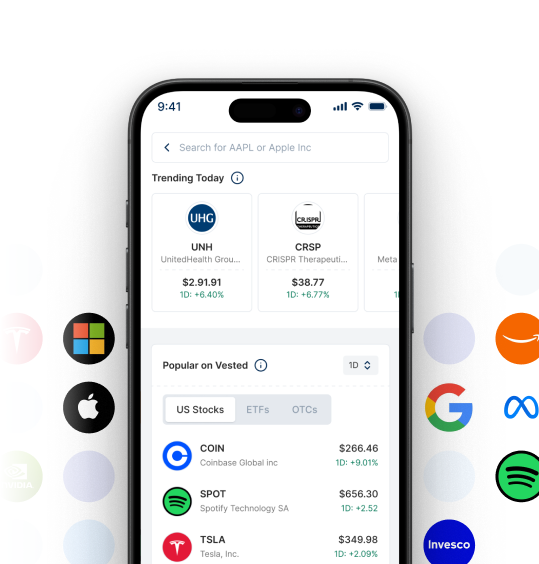
Offered by VF Securities Inc. Stock symbols shown here are representative of our offerings and are not meant to be a recommendation

Offered by Vested Finance, Inc
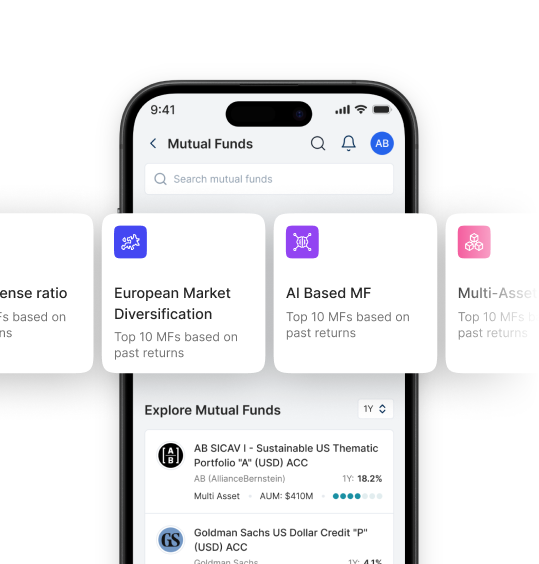
Offered by VF Securities Inc
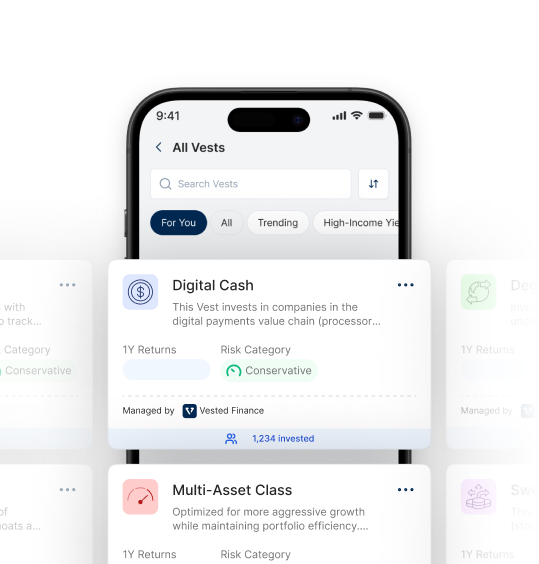
Offered by Vested Finance, Inc
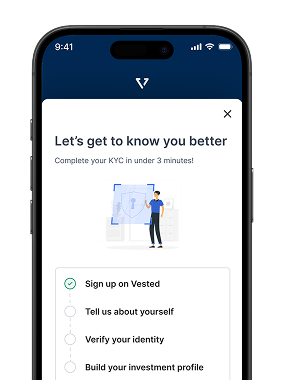
Sign up and complete your 100% Digital KYC in less than 5 minutes
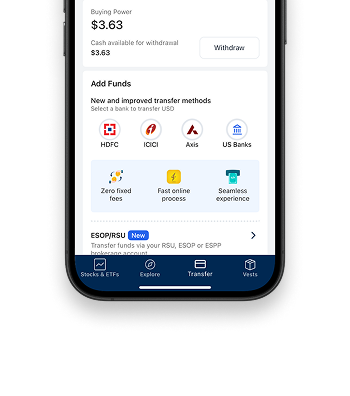
Easily transfer funds via ESOP/RSUs, partner banks like HDFC Bank, Axis Bank or any Indian bank with guided instructions
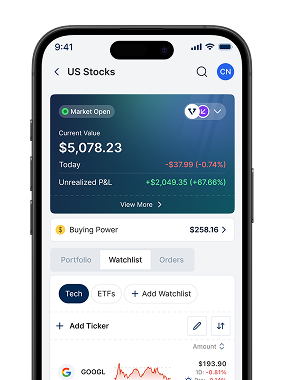
Build your global portfolio with US Stocks, ETFs or Managed Portfolios starting at $1

Investments are protected under US regulatory bodies up to $500K - $250K for cash

Funds & securities are held securely in US brokerage accounts

Vested’s broker-dealer, VF Securities, Inc., is a registered FINRA member
Vested is an authorised Global Access Provider and Broker Dealer at GIFT City, regulated by IFSCA in India
Verify us on IFSCA directory, FINRA BrokerCheck and SEC adviser search




Rated 4.7 on the App Store and Google Play, with ₹10,000 Cr+ invested by 4 lakh+ investors who have taken their portfolio global






Get access to in-depth guides, smart calculators, and human support, built to help you invest globally with clarity
Stay updated with global market news, investment insights and announcements from Vested
Learn moreFind answers to FAQs or get help with anything related to the Vested platform
Learn moreYes, Vested is safe & regulated. The platform uses two of its US-regulated entities to offer products. Vested Finance, Inc. is registered with SEC as an investment adviser and offers Managed Portfolios & Private Markets. VF Securities, Inc. is a registered broker-dealer and a member of the FINRA and SIPC and let’s you invest in US Stocks & ETFs & Global Funds.
All the shares and cash that you hold is in a brokerage account in your name. If the broker-dealer fails (unlikely), then the Securities Investor Protection Corporation (SIPC) protects up to $500,000 per customer, $250,000 thereof covers cash. The protection covers the failure of a broker, not investments losing value in the market.
Yes, it is legal for Indian residents to invest globally. This is permitted under RBI's Liberalised Remittance Scheme, which allows a resident individual to invest up to $250,000 globally per financial year. Each year, these holdings must be declared through Schedule FA while filing your ITR.
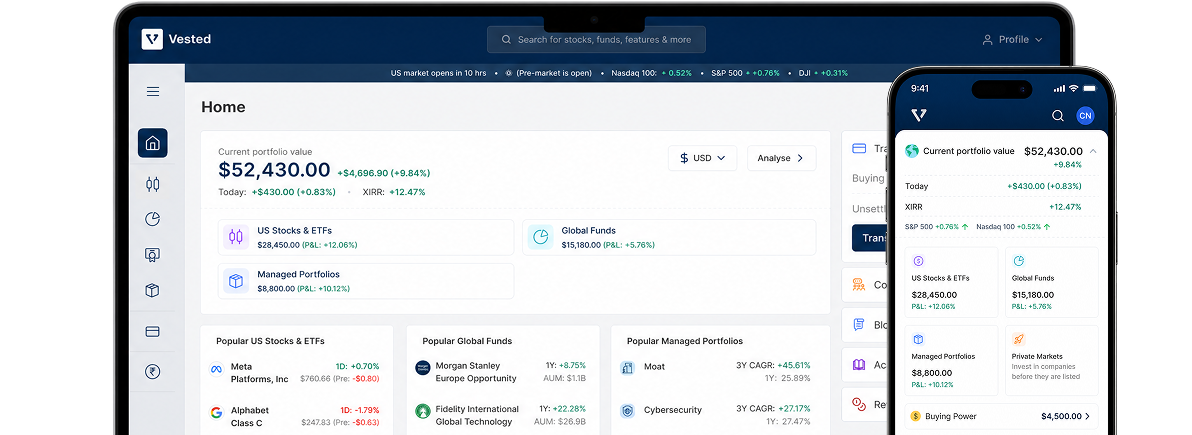
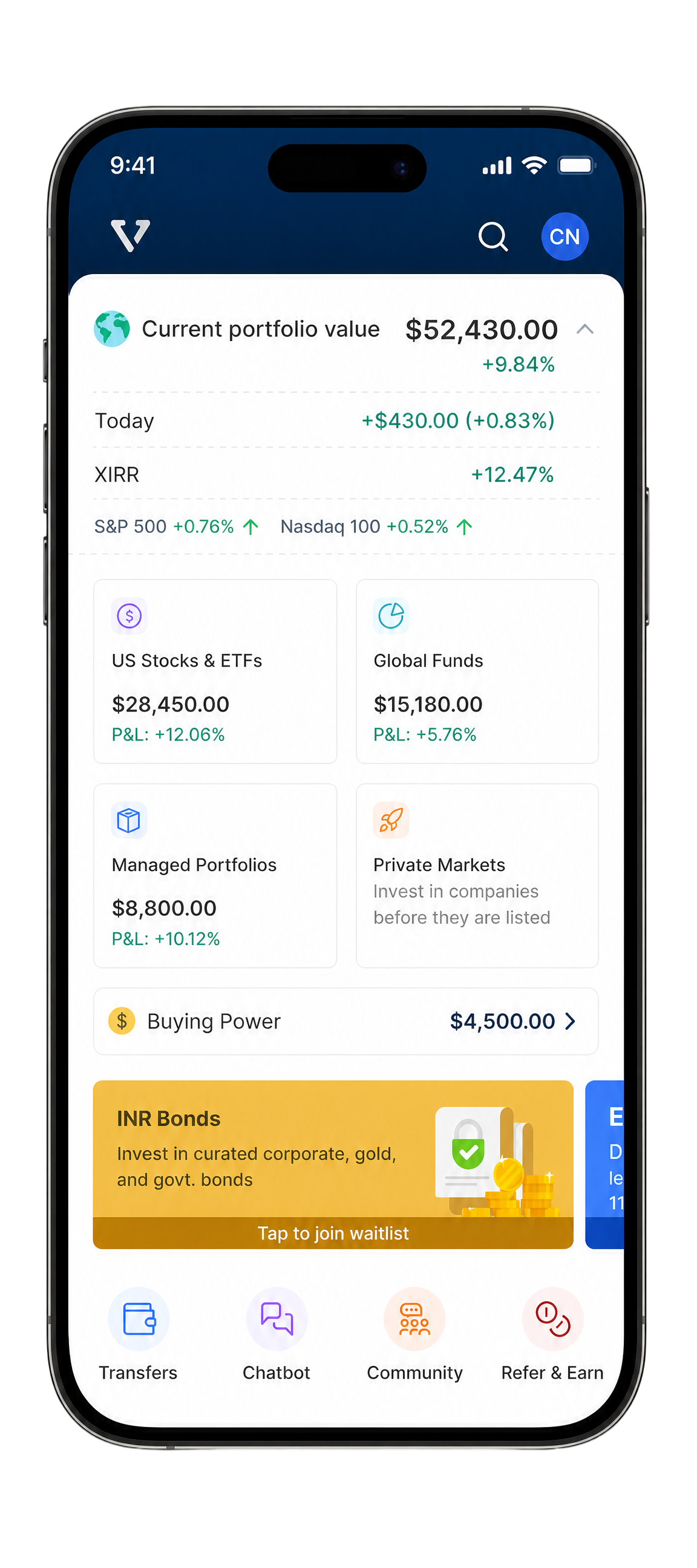
Vested offers five products through a single account.
With Vested you can invest in US Stocks & ETFs enables investment in 10,000+ US-exchange listed stocks and ETFs, Global Funds offers 350+ UCITS funds via managers from the likes of BlackRock, Fidelity and JP Morgan for 50+ countries, Managed Portfolios offers Vested research team's ready-made global themes, Private Markets allows participation in private markets with access to big private companies such as OpenAI and Stripe, lastly - the ESOP/RSU, helps manage the equity you already hold with your existing employer.
In US Stocks & ETFs, you can start with as little as $1. Managed Portfolios, you can start investing with $100. With Global Funds, you can start a one-time investment or an SIP with $50. Private Markets deals start at $10,000, because these are limited allocations. Opening an account is free, so you can complete your KYC first and decide the amount later.
You can get started in three easy steps.
First, sign up and complete your 100% digital KYC to create your Vested global investing account in less than 5 minutes.
Second, invest money. You can transfer money from any Indian bank with guided instructions in the app. There’s a faster flow through partner banks like HDFC Bank, ICICI Bank and Axis Bank, or you can transfer funds through your existing ESOP/RSU brokerage account.
Third, begin investing. Build your global portfolio with US Stocks, ETFs, Global Funds or Managed Portfolios.
Open a Vested account for free. The plans on offer are Basic at ₹0 and Premium at ₹375 per month billed annually or ₹450 per month billed quarterly.
US Stocks, ETFs and Global Funds: 0.25% of the trade amount on the Basic plan and 0.15% on Premium, with a maximum of $35 per trade on both. OTC securities (including European companies) are charged at 0.5% on Basic and 0.25% on Premium. Withdrawals above $100 in INR are free (platform fees may apply); below $100 they cost $3 and withdrawals in USD cost $5.
Managed Portfolios charges 0.6% to 1% of AUM per year depending on the portfolio, with no broking, exit load or purchase fee on top. Global Funds have no entry or exit load. You can see full details on our pricing page.
Yes, the limit applies. The cap is $250,000 per person per financial year, which is roughly ₹2.2 crore (at an exchange rate of 1 USD = ₹95).
There's no TCS on the first ₹10 lakh you send abroad in a year in aggregate, no matter for what purpose (including global investing), for FY 2026-27 onwards. Above that limit, you are charged (or the bank collects on your behalf) 20% on the excess for investing. This is the tax collected in advance, not regular tax. Your bank deposits it against your PAN, it reflects in your Form 26AS and Annual Information Statement (AIS), and you can claim it as credit against your income tax when you file.
All your gains globally will be taxed in India, depending on your residency and holding period.
STCG: Your short-term capital gain of shares will be added to your income and taxed at your slab rates.
LTCG: Long-term, if the asset is held for 24 months, it is taxed at a flat 12.5% without indexation.
With Vested, filing is made easy through Tax Documents. You get tax filing documents in one click with the details required to fill Schedule CG & Schedule FA, ready to share with your tax advisor for review and filing.
US Stocks & ETFs, Global Funds and Managed Portfolios have no lock-in. You sell your holdings, withdraw to the Indian bank account linked to your Vested account, and the USD converts back to INR on the way.
Withdrawal charges are as applicable. In local currency, withdrawals are free above $100 and cost $3 below $100. Withdrawals in USD cost $5 per withdrawal.
Private Markets is the one exception. These holdings stay invested until an exit event, such as an IPO or a secondary sale, which can take years.
Ownership is the first difference. An Indian international fund is usually a fund of funds (or FoF), so you hold units of an Indian scheme that, in turn, holds units of a foreign one. On Vested, you own the fund itself, in a US brokerage account in your name.
Range is the second. Most Indian platforms just offer US stocks and ETFs. Vested also offers Global Funds, Private Markets opportunities and Managed Portfolios along with US stocks and ETFs.
The third difference is industry limits. Indian mutual funds invest abroad under an industry-wide cap set by the RBI: $7 billion for overseas securities, plus $1 billion for overseas ETFs. When the industry nears these limits, fund houses pause fresh subscriptions to international schemes, which has happened repeatedly since 2022. Investors are left waiting for the window to reopen. When you invest through Vested, you use your own individual LRS limit of $250,000 per year, so your access does not depend on how much room the fund industry has left.
Investing globally is not about choosing against India. It is about not leaving the rest of the world out. There are four reasons it makes sense.
Yes, there are four core factors.
Start with concentration. If all your wealth is in Indian assets, your salary, your home and your portfolio all depend on the same economy. A domestic slowdown can impact your income and your investments at the same time.
Then there is correlation. Markets around the world do not move in perfect sync. India can fall on a domestic problem, while the US or Europe barely notices. When one part of your portfolio falls and another holds steady, the overall swing is smaller.
Currency adds a third layer. The rupee has historically depreciated against the dollar over the long term. Dollar assets act as a natural cushion: when the rupee weakens, the INR value of your global holdings rises.
Finally, global investing completes your portfolio. Entire sectors: advanced semiconductors, AI infrastructure, global pharma, are simply not listed in India.
To be precise about the claim: diversification reduces concentration risk. It does not promise a profit. What it can do is limit losses when one country has a bad decade.
Global investing carries some real risks.
Currency risk comes first, and it runs both ways. A weaker rupee adds to your returns, but a sharp move in the other direction eats into them. Over long periods the rupee has depreciated against the dollar, yet nothing guarantees that in any given year.
Market risk does not disappear at the border. US and European markets fall just as Indian markets do, sometimes harder. The dot-com crash and 2008 both began in the US. Investing globally spreads your risk across economies; it does not remove the risk of markets themselves.
Regulatory and tax risk sits with governments on both sides. Foreign rules can change, and so can Indian ones: LRS conditions, TCS rates and capital gains treatment have all shifted in recent years.
Liquidity risk applies to Private Markets too. They stay invested until an event such as an IPO or a secondary sale, which can take years and is never guaranteed.
And then there is the quiet one: knowledge risk. It is easy to misjudge a company you know only from headlines, in a market whose accounting norms and disclosures you have not grown up reading.
What a regulated platform addresses is platform risk. Your assets sit at a FINRA member broker-dealer, in an account in your name, with SIPC protection of up to $500,000 if the broker fails. It does nothing about the risks above, no platform can. The honest position is this: these risks are the price of access, they can be managed through position sizing, time horizon and sticking to your account objective. There is no guarantee that any investment will act in a predictable manner, and losses could happen in any portfolio.
Over 4,00,000 global portfolios have been launched on Vested, across US Stocks & ETFs, Global Funds, Private Markets and Managed Portfolios
Start investing